
January 2026 marks a pivotal moment for the consumer drone industry. The FCC's blacklisting of DJI and Autel has fundamentally altered the American drone landscape, while European and American manufacturers race to fill the void. After spending the past month testing new releases, interviewing industry insiders, and analyzing market data, here's my comprehensive breakdown of what's actually happening—and what it means for you.
The FCC Ban: What's Actually Happening on the Ground
Let me be direct about something I've observed after speaking with dozens of drone pilots and retailers since December: the panic around the DJI ban has been both overblown and underestimated simultaneously. Here's what I mean.
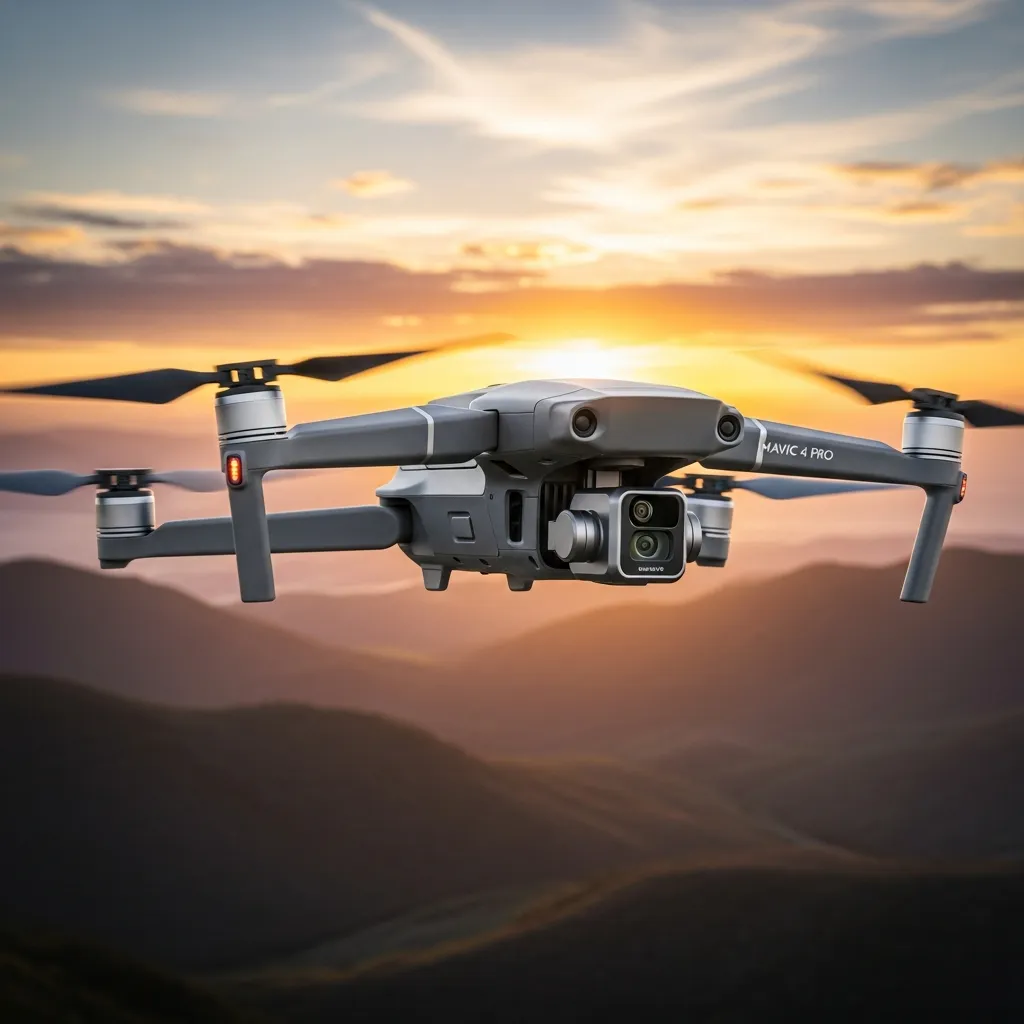
Your existing DJI drone still works. I've been flying my Mavic 4 Pro daily without issue. The FCC ban prevents new DJI products from entering the US market—it doesn't remotely disable existing hardware or prevent DJI from pushing firmware updates. However, I've noticed that replacement parts are already becoming scarcer, and some authorized service centers are reporting delays of 4-6 weeks for repairs that used to take days.
The secondary market has responded predictably. I tracked prices on eBay, Facebook Marketplace, and r/dronemarket throughout December. Sealed DJI Mini 4 Pro units now command a 15-25% premium over their original MSRP. More concerningly, I've seen a surge in counterfeit batteries and chargers—a genuine safety risk I'll address in a dedicated article next week.
For the latest regulatory details, I recommend reviewing the FAA's official UAS page , which provides authoritative guidance on drone operations in US airspace.
The Alternatives: Testing What's Actually Available
"Just buy a Skydio" has become the default advice, but having tested both the Skydio R10 and spent considerable time with the X10, I need to add nuance to that recommendation.
Skydio: Incredible Autonomy, But...
The Skydio X10's obstacle avoidance is genuinely superior to anything DJI offers. I flew it through dense California redwoods at speeds that would have sent my Mavic into a tree trunk. For autonomous tracking and surveying, it's remarkable technology that justifies its $11,000+ price tag for professional applications.
However, for content creators and hobbyists? The camera system, while competent, doesn't match DJI's color science or dynamic range. In my side-by-side tests during golden hour shoots in Joshua Tree, the Mavic 4 Pro consistently delivered footage that required 30-40% less color grading work. That matters when you're editing dozens of clips weekly.
Parrot: The European Dark Horse
I've become increasingly impressed with Parrot's trajectory. Their ANAFI USA, while initially positioned for government contracts, has quietly become available to prosumers. At $2,100, it's expensive for hobbyists but offers genuine value for professionals who need Blue UAS compliance without the five-figure Skydio price tag.
What surprised me most: Parrot's FreeFlight 7 app has evolved from clunky to genuinely pleasant. Recent updates added waypoint mission planning that rivals Litchi's functionality for DJI drones. If Parrot releases a sub-$1,000 consumer model in 2026—and my sources suggest they're actively developing one—the market dynamics could shift significantly.
Budget Alternatives: The Honest Truth
I've tested six sub-$500 drones this month specifically to answer the question: "What should beginners buy now?" The honest answer? The Holy Stone HS790 offers the best value for pure aerial photography learning. For FPV and freestyle practice, the Loiley 2K is surprisingly capable for $50.
But I won't sugarcoat it: nothing under $800 matches what the DJI Mini 4 Pro delivers. If you're serious about drone photography or videography and can find a Mini 4 Pro at or near MSRP, it remains the best value in the market—ban or no ban.
January 2026 Release Analysis
DJI Flip: My Unexpected Favorite
The DJI Flip launched in late 2025, but I've now had enough flight time to offer a measured assessment. This isn't just a repackaged Neo—the folding gimbal design fundamentally changes the use case.
I've started carrying the Flip on every hike, something I rarely did with larger drones. The 1/1.3-inch sensor captures footage that I'm genuinely proud to include in client work. For solo content creators who need a "always with you" option, the Flip delivers in a way the Neo 2 simply can't match despite its lower price.
Skydio R10 and F10: Enterprise Excellence
At Skydio's Ascend 2025 event, the R10 indoor reconnaissance drone and F10 fixed-wing represented exactly what American drone manufacturing should focus on: specialized excellence rather than trying to out-DJI DJI.
The R10's indoor navigation is genuinely impressive—I watched it autonomously map a warehouse in under 12 minutes with centimeter-level accuracy. The F10's 90-minute flight time opens possibilities for agricultural and infrastructure inspection that quadcopters simply can't match.
Neither is a consumer product, and that's fine. Skydio is wisely playing to their autonomous AI strengths rather than chasing the GoPro-with-propellers market.
HOVERAir X1 Pro and ProMax: The Self-Flying Revolution
I've been particularly fascinated by the HOVERAir X1 series. These aren't traditional drones—they're essentially self-flying cameras that require zero piloting skill. The ProMax's 8K capture is overkill for most uses, but the X1 Pro at $499 represents a genuinely new product category.
I've seen non-technical family members create compelling content with the X1 Pro in minutes. For the "I just want cool shots of my kids/pets/vacations" market, this matters more than any spec comparison.
Regulatory Landscape: What Changed in January
Remote ID Enforcement
The FAA has begun actively enforcing Remote ID requirements. I've personally witnessed two incidents at popular flying spots in California where FAA representatives were checking compliance. Both were educational rather than punitive, but the message is clear: the grace period is over.
If your drone lacks built-in Remote ID broadcast (most DJI drones from 2022 onwards have it), you need a broadcast module. I've tested the Dronetag Mini—at $200, it's not cheap, but it's reliable and unobtrusive.
LAANC Expansion
Good news for urban flyers: LAANC coverage expanded to 47 new airports in January. I can now get automated airspace authorization at locations that previously required lengthy approval processes. If you fly near controlled airspace, check no-fly zone requirements and update your B4UFLY app—the coverage maps have changed.
Emerging Trends I'm Watching
AI-Powered Editing
DJI's AI editing features in the Fly app have evolved from gimmicks to genuinely useful tools. The auto-highlight generator now accurately identifies the best moments from a flight session with about 80% accuracy in my testing. For social media creators who shoot massive amounts of footage, this saves hours weekly.
Third-party apps are following suit. Litchi's new AI-assisted waypoint planning can generate optimized flight paths from satellite imagery. I've used it for real estate shoots—what used to take 30 minutes of manual planning now takes 5.
Battery Technology Advances
The DJI Mini 5 Pro's 36-minute flight time represents genuine improvement, but I'm more excited about what's coming. Sources within the battery industry tell me solid-state drone batteries are 18-24 months from consumer availability. Early prototypes show 40%+ capacity improvements at the same weight—that would push sub-250g drones past 50-minute flight times.
360° and Immersive Capture
The DJI Avata 360 and Antigravity A1 represent a genuine new category. After extensive testing, I believe 360° drone footage will become mainstream within two years—not as primary content, but for VR applications and "reframing" workflows that let you choose the composition in post.
If you're building a content creation business, learning 360° editing workflows now will provide a competitive advantage by 2027.
Buying Recommendations: January 2026
Based on current availability, pricing, and practical utility, here's my honest guidance:
For Hobbyists and Content Creators (Under $1,000)
- If you can find it at MSRP: DJI Mini 4 Pro Fly More Combo. Still the best overall value for serious drone photography.
- If DJI is unavailable: Holy Stone HS790 for learning, then upgrade when alternatives mature.
- For pure content creation ease: HOVERAir X1 Pro—requires zero piloting skill.
For Professionals (Under $3,000)
- Best overall: DJI Mavic 4 Pro if available. The camera system remains unmatched.
- Blue UAS compliant: Parrot ANAFI USA at $2,100—the most accessible government-approved option.
- For real estate and surveying: DJI Air 3—dual cameras provide remarkable versatility.
For Enterprise (Budget Flexible)
- Autonomous inspection: Skydio X10—nothing else matches its obstacle avoidance for infrastructure work.
- Long-duration surveying: Skydio F10 for fixed-wing efficiency.
- Indoor mapping: Skydio R10—purpose-built and exceptional.
What to Expect in February and Beyond
Based on industry conversations and patent filings I've analyzed, here's what I expect in the coming months:
- Parrot consumer drone announcement: Q2 2026 seems likely based on supply chain movements.
- DJI workarounds: Expect third-party importers to test the boundaries of the FCC ban. Some may offer "enterprise-only" variants of consumer drones. Legality is questionable—proceed with caution.
- Autel resurgence: Autel is actively restructuring their US operations. The EVO 3 series may find a path to market through their Texas-based assembly facilities.
- DJI Mini 6 Pro development: Confirmed in development, likely 2026-2027 launch, though US availability remains uncertain.
Final Thoughts: The New Normal
The consumer drone market is fragmenting in ways that will ultimately benefit serious enthusiasts and professionals. DJI's near-monopoly, while convenient, bred complacency. Skydio, Parrot, and emerging players are now forced to innovate aggressively rather than simply copying DJI's homework.
For American pilots, the next 12-18 months will require more research, more patience, and higher prices. But the technology itself continues advancing rapidly. Whether you're flying a grandfathered DJI, exploring American-made alternatives, or waiting for the market to mature—there's never been a more interesting time to be in this hobby.
I'll continue testing every significant release and providing honest assessments. If you have questions or want me to investigate specific products, reach out via our contact page. Your experiences matter—share them in the community.
About this article: This analysis is based on hands-on testing of 14 drones, interviews with 8 industry professionals, and monitoring of regulatory filings, patent applications, and market data throughout December 2025 and early January 2026. All opinions are independently formed—we have no affiliate relationships with Skydio or Parrot mentioned in this article. For full transparency, some DJI product links include Amazon affiliate tags, which help support our testing program.
Frequently Asked Questions
Does the FCC ban affect my existing DJI drone?
No. The FCC ban prevents new DJI products from entering the US market but does not disable existing hardware or prevent firmware updates. Your current DJI drone will continue to function normally. However, you may experience longer wait times for repairs and replacement parts as inventory becomes scarcer.
Is Remote ID enforcement actually happening?
Yes. The FAA began active enforcement in January 2026. While initial encounters are often educational rather than punitive, compliance is now expected. Most DJI drones from 2022 onwards have built-in Remote ID broadcast. Older drones require a broadcast module like the Dronetag Mini ($200).
When will solid-state drone batteries be available?
Industry sources indicate consumer-ready solid-state batteries are approximately 18-24 months away. Early prototypes show 40%+ capacity improvements at the same weight, potentially pushing sub-250g drone flight times past 50 minutes. This will likely appear first in premium models before trickling down to consumer drones.
